About Cannon House Retreat

FAYETTEVILLE REMEMBERS
A small town that remembers — Cannon House Retreat sits in Fayetteville, West Virginia, preserved, tended, and open to guests who want to stay somewhere that carries genuine history.
PRESERVATION AS PRESENCE
Cannon House Retreat exists because we believe that history is best understood when it can be lived alongside — not observed through glass, not summarized on a placard, but present in the room where you sleep, on the shelf beside the fireplace, in the weight of the object you hold in your hand.
The Civil War collection at Cannon House was assembled with this philosophy in mind. It does not take sides. It holds both Union and Confederate artifacts with equal care, because the war itself was not simple, and the ground it was fought on — this ground, West Virginia ground — was not simple either. We preserve it so that guests can encounter it honestly.


A TOWN THAT REMEMBERS THE WAR
Fayetteville, West Virginia holds a distinction few towns can claim: it was here, in the summer of 1861, that the first indirect artillery fire in the Civil War was recorded. Union forces lobbed shells over a ridge at Confederate positions they could not see — a tactic that would define the industrial warfare to come. The ground beneath this town was among the first in America to absorb that new kind of violence.
Cannon House was built in 1920, long after the last soldiers left these hills, but on ground that had been contested, crossed, and mourned. The house rose in a town that had not forgotten. What it carries — in its walls, its rooms, its collection — is not nostalgia. It is evidence.
THE COLLECTION
The Civil War collection at Cannon House was assembled over decades by the property's previous owners — people who understood that the objects of a war carry more truth than its official accounts. Rifles, bayonets, cartridge boxes, uniform buttons, field equipment, and personal effects from soldiers of both the Union and the Confederacy.
West Virginia was born from the war — carved from Virginia in 1863 by counties that refused to secede. The collection reflects that complexity: it does not take sides. It holds both. Guests are welcome to examine the artifacts, read the accompanying documentation, and sit with the weight of what they represent.
PHOTOGRAPHS, MAPS & DOCUMENTS
Alongside the physical artifacts, Cannon House holds an archive of period photographs, military maps, and personal correspondence. The photographs include portraits of soldiers — some identified, some not — and documentation of the campaigns fought across what is now West Virginia and the surrounding region.
PRESERVATION AS HOSPITALITY
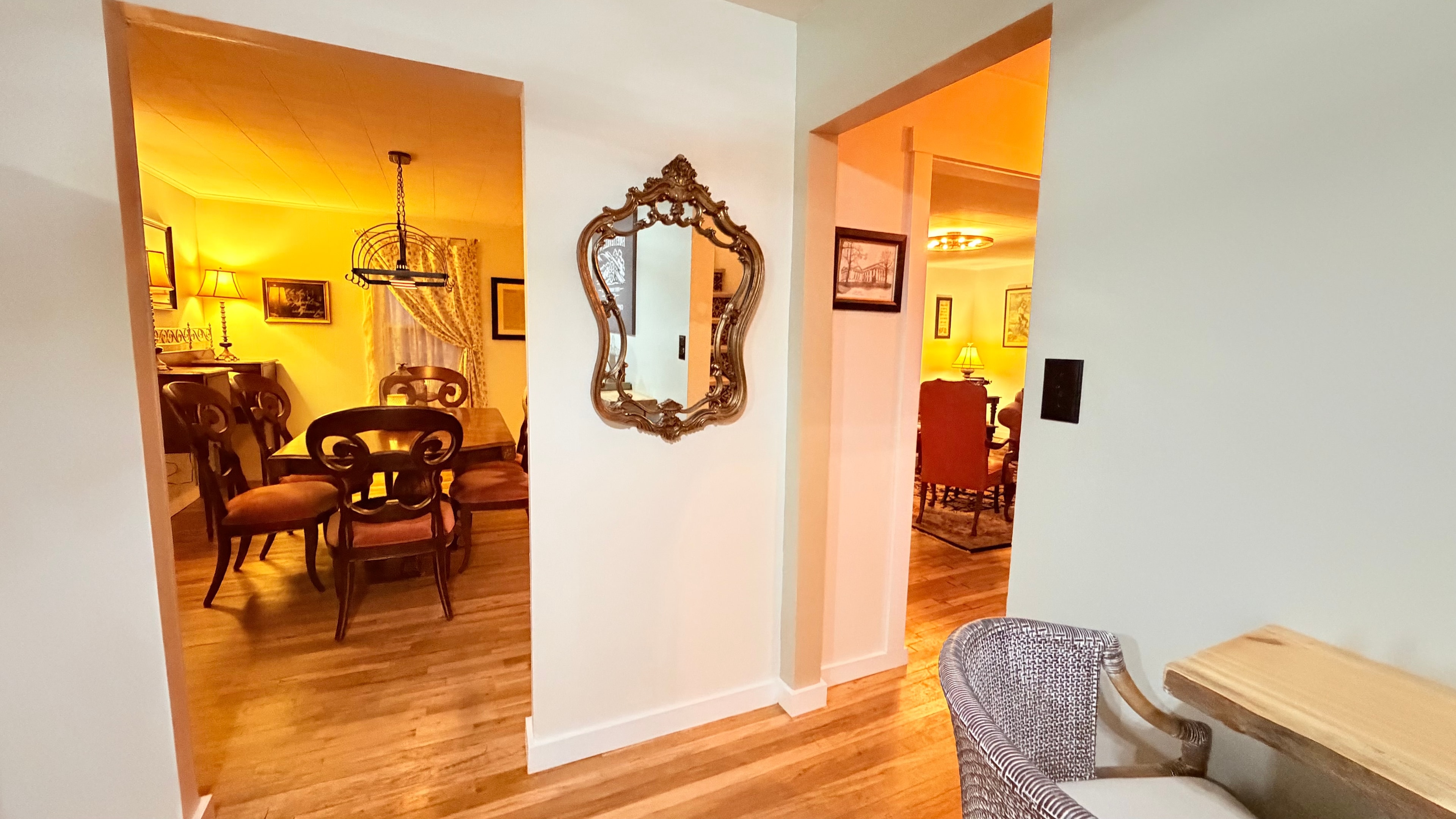
We believe that preservation is a form of hospitality — that making a place available to be experienced is itself an act of care. Cannon House is not a museum. It is a home that can be stayed in, slept in, cooked in, and lived in for a few days at a time. The collection is present throughout: in the parlour, the traveler's reading nook, the hallways.
The house has been maintained with this philosophy in mind. The bones of the house are intact. The rooms are comfortable. The artifacts are accessible. Guests do not need to be historians to feel the weight of what surrounds them — they only need to be present.
SETTLED IN HISTORY
— the year Cannon House was built, on ground that had known the Civil War for two decades.
· one of fayetteville's best-preserved victorian homessides of the Civil War are represented in the collection — Union and Confederate, without hierarchy.
· west virginia was born from the war in 1863— the year the war began. The artifacts in the collection span the full four years of the conflict.
· rifles, maps, photographs, personal effectsguests can stay at Cannon House — a house built for a family, still suited to one.
· minimum 2 nights · book via vrbofrom Canyon Rim Visitor Center — New River Gorge National Park begins at the edge of town.
· gateway to the gorge · fayetteville, wvThe war was fought on this ground. The house was built on this ground. The collection lives in this house. To stay here is to be in the presence of all three — not as a tourist, but as a guest.